Taking Account of your Crafting Business: Part 1
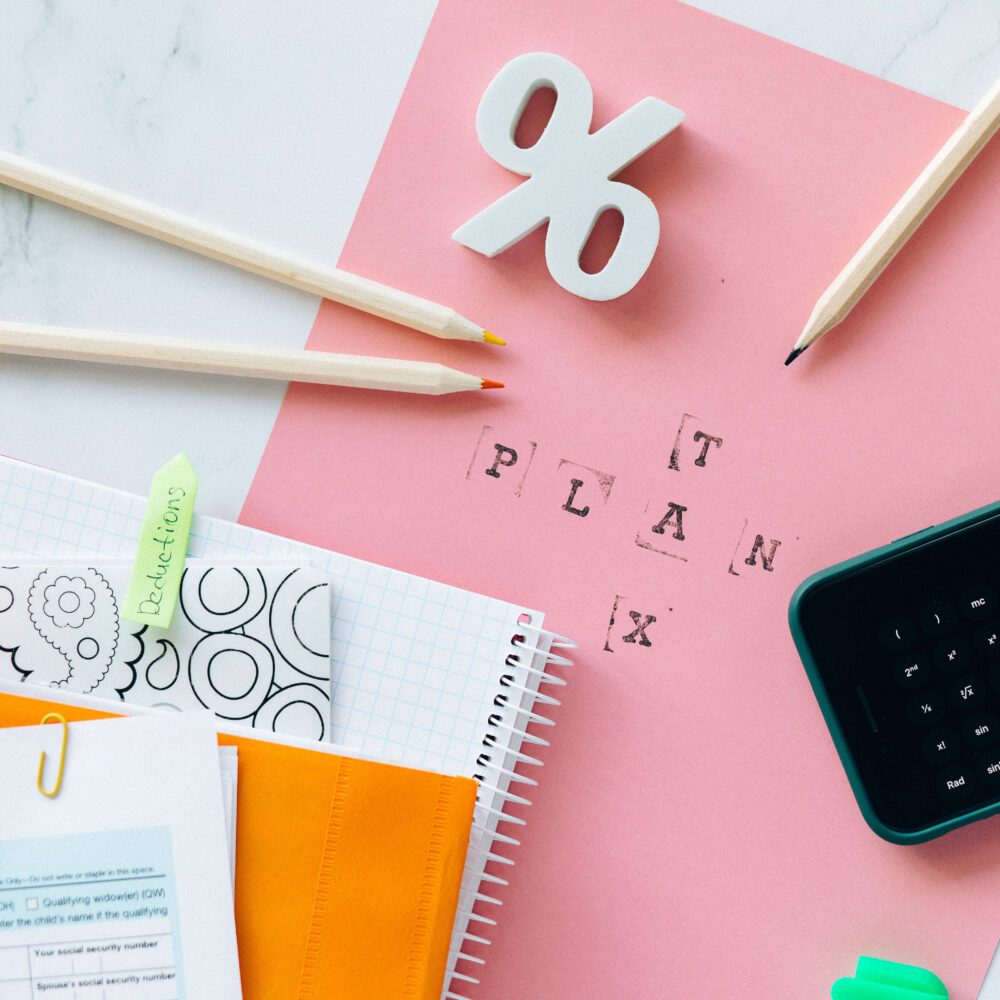
When you start getting your craft business off the ground, you should also be recording your accounts and planning when you will need to register for self assessment. If you’ve never done it before, it can be a bit daunting. This is a simple guide to the process and give you a basic understanding of how trading profit and income tax is calculated. I would always recommend consulting a qualified, reputable bookkeeping/accounting firm to help guide you through the process. Errors in your tax return can lead to big payments and even fines and interest in addition. Let’s avoid having to do that!
Being knowledgeable about you tax return however, can help you understand were all those figures come from, and you will also be loved by your accountant. So, lets begin.
Most of us will be employed by someone else, and pay income tax through ‘pay as you earn’ (PAYE) on each payslip. This is called ‘tax deducted at source’. Your employer will deduct this from your gross pay, and they will submit payroll details to HMRC before paying the tax they have deducts from your payslips. As tax is dealt with before you receive the cash in your bank, you don’t have to worry about anything – your employer does the work for you. Nice and easy.
However, if you earn an income from another source – for example, your crafting side business, dividends, or from any rental property – you will be responsible for reporting this income to HMRC and paying any tax owed yourself. If your only just setting up, don’t worry about doing this straight away. HMRC have a few allowances that you will be able to take advantage of.
You are allowed to earn up to £1,000 a year without having to register for self-assessment. Please note that this total is for revenue. In other words, what you receive from selling your crafts, patterns, affiliate links WITHOUT deducting any costs. This is one of the big reasons why it is important to keep records of your trading activity. When you are getting close to the £1,000 you can be ready to register for self-assessment.
This is a generous allowance which will give you the time to establish your business, write your business plan, decide on your products, materials and where you will be selling your wares.
Even if you are within the trading allowance limits, I would recommend reading on – especially if you wish to expand further or are getting close to using up the allowance.
When you’ve registered for self assessment you will need to record any sales and costs you make during the year. Important note: the tax year runs from 6th April to the 5th April the following year. Deduct the costs from your sales and this is your trading profit. Pretty simple, but there can be other considerations which we will now discuss,
There are two ways to record your profit. Accruals is based on matching expenses to the year that they they incurred, regardless of if they were paid in that year or not. Cash based accounting is where you will record transactions in the year in which they are paid.
An example of the differences would be to consider you phone or broadband bill. Usually, you receive the service and then pay the bill the month after. So, you will use pay for May’s internet usage in June. Under accruals accounting, you would recognise the expense in the month of May. Cash accounting recognises the expense in June, when it is paid.
Generally, smaller sole traders use cash accounting as it is much easier to record. Larger businesses use accruals accounting as it shows a more accurate view of the financial year performance.
There is a variety of different software and books dedicated to recording your accounts. In my full-time accounting job I have seen accounting records kept in various ways; from accounts kept on Xero or Sage by a bookkeeper to someone writing down their sales and any purchases they’ve made in a cheap notebook. Whatever method, we always manage to produce self assessment returns from them.
Choose a method which is both easy for you to use, and also suits your business size. The fancy accounting software packages look really nice and easy, but remember that these do come at a cost, so is not not required when you first start out.
A simple A4 notebook will suffice. And, if you have access, a spreadsheet to enter your daily/weekly/monthly figures in. The notebook is a good way to quickly record any sales/costs – ideal if you are selling on stalls or to friends and family. If you design journals, or stationary it can also be a good way to advertise your products as well!
A spreadsheet is ideal for keeping your accounting records long-term. You wont have bits of paper lying around or getting lost. You will also be able to take advantage of functions to ensure that all your figures are added up correctly.
Another important point: keep your receipts! You can either store them in a folder or scan them and keep them saved on your PC. If you use an accounting software, a lot of them have uploading facilities to store your documents.
I am thinking about creating a template excel/sheets document to help you get started with record-keeping.
After 5th April, you will enter a new financial year. Happy new year! You will have until the end of January in the following year to get your tax return submitted online. This seems like plenty of time, but the amount of clients who provide their information close to the deadline day is extraordinary! Take a few months to finalise all your records and check that you have recorded everything for the year.
And now is the time to submit to your accountant or bookkeeper. When you appoint an accountant or bookkeeper to submit your tax returns on your behalf, you will be able to have a chat about your needs. This helps to assess the fee to be charged. Along with this you will also have to sign a letter of engagement, which will detail what services they will provide you with and the responsibilities of both parties. It is important to remember that although your accountant will submit your tax return, you are still ultimately responsible for the accuracy of the information. Keeping adequate records will help in this regard, and may also reduce your accounting bill.
This is the end of part one of this series. Here, we have covered what self assessment is, the trading allowance, the importance of adequate record keeping, and what happens at the year end. The next post in this series will focus more on record-keeping and will introduce a few of the more popular accounting software. There will also be an spreadsheet template for you to use to help get you started.
Here are a few helpful links to provide you with more information.
Gov.uk – Self assessment Tax Returns: https://www.gov.uk/self-assessment-tax-returns
Gov.uk – Check if you need to send a tax return: https://www.gov.uk/check-if-you-need-tax-return
Gov.uk – Self-employed expenses: https://www.gov.uk/expenses-if-youre-self-employed